

Myths about gambling Debunking the biggest misconceptions
The Myth of Easy Money
One of the most pervasive myths about gambling is the idea that it is a quick and easy way to make money. Many individuals believe that with a bit of luck, they can hit the jackpot and instantly improve their financial situation. This misconception is fueled by stories of big winners and the glamorous portrayal of casinos in movies and television shows. Additionally, some may look to sites offering services like a non gamstop casino as a way to find easy financial gains.

In reality, while there are winners in gambling, they are often the exception rather than the rule. The odds are typically stacked against the player, and over time, most gamblers will end up losing more than they win. Understanding the mathematics of gambling can help dispel this myth, as the house always has a statistical edge that players must contend with.
The Illusion of Skill
Another common misconception is that skill can significantly influence the outcome of games like slot machines or roulette. While certain games such as poker or blackjack do involve skill, many gambling activities are purely based on chance. Players often overestimate their ability to control outcomes, which can lead to misguided confidence and increased losses.
The reality is that most games in a casino are designed to be unpredictable. Even the most experienced players are subject to the whims of luck. Educating oneself about the nature of different gambling games can help clarify which are skill-based and which rely on chance, thereby debunking the illusion of skill in gambling.
The Gambler’s Fallacy
The gambler’s fallacy is the belief that past outcomes can influence future results in random events. For instance, if a coin has landed on heads several times in a row, some might think that tails is due to come up. This fallacy can lead to poor decision-making and increased betting, as individuals chase their losses based on flawed reasoning.
Understanding that each event is independent can help players make better choices. Casinos rely on this misunderstanding to keep players engaged, but recognizing the fallacy can lead to more rational gambling behavior and a healthier approach to risk.
The Stigma of Gambling Addiction
Many people believe that gambling addiction is a choice or a moral failing. This misconception overlooks the complex psychological and environmental factors that contribute to addiction. It often leads to a lack of empathy and understanding for those who struggle with gambling issues.
Gambling addiction is a recognized mental health disorder that requires professional help and support. By educating the public about the nature of addiction, we can foster a more compassionate society that understands the challenges faced by those affected by gambling-related problems.
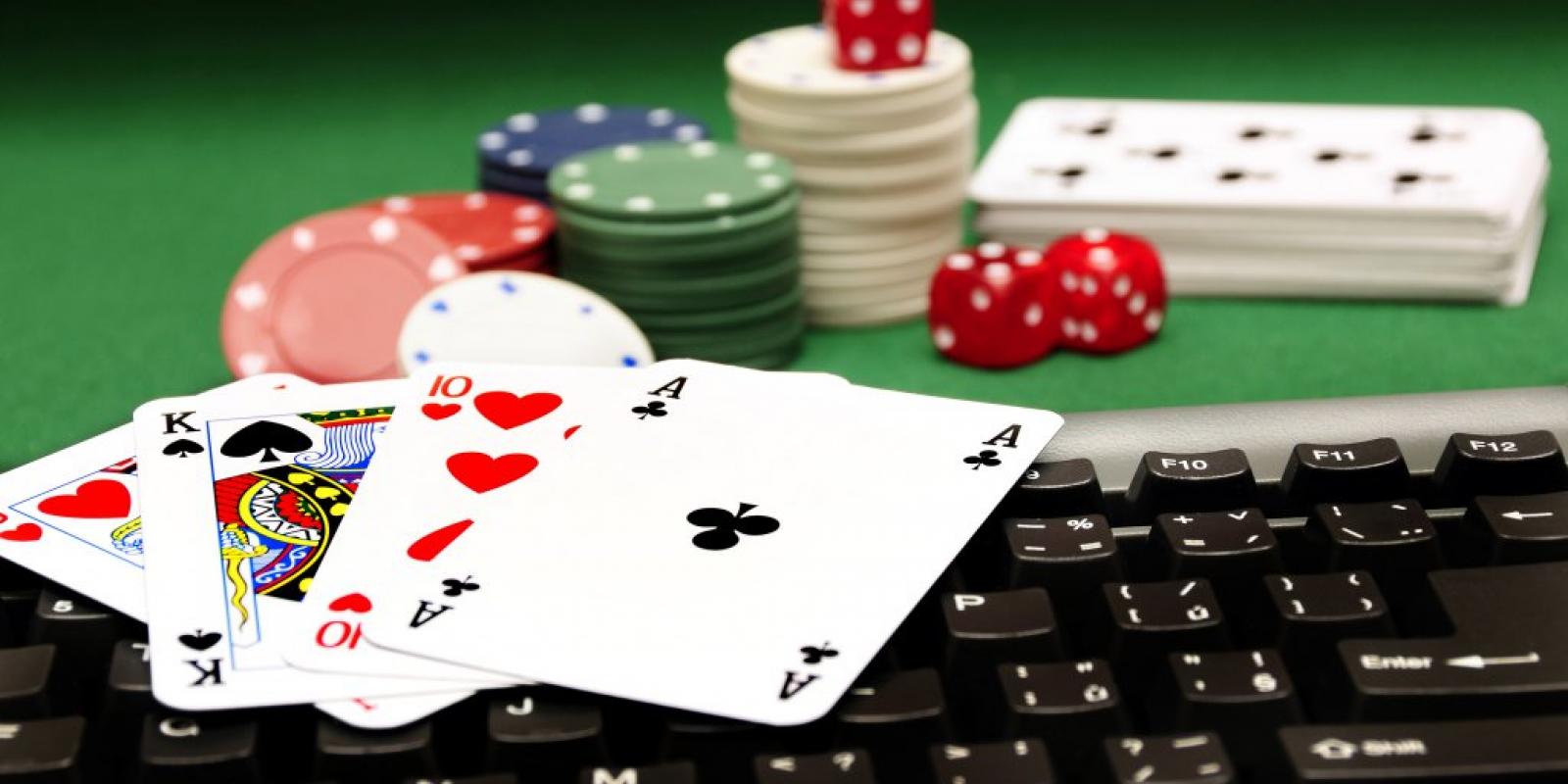
Understanding Responsible Gambling
Our platform is dedicated to promoting responsible gambling practices. We aim to provide resources and information that debunk common myths and encourage informed decisions. It’s crucial for individuals to recognize the risks involved in gambling and to approach it as a form of entertainment rather than a means to make money.
Through awareness and education, we hope to create a community that supports responsible gambling behaviors and helps individuals understand that while gambling can be fun, it should always be done with caution and care for one’s personal limits.